Fall Courses


Non-Native and Invasive Plants
NATH2319E, 1.5 CEUs
What IS the definition of “invasive” and why should we care? Consequences of invasive plants in mid-Atlantic natural areas may be medical, ecological, environmental, or economic. This course will explore the historical and ongoing arrival of invasives, look at their cultural, legal, and ecological significance, and focus time on the identification of major species of concern in the mid-Atlantic and possible control measures. Three field trips to local parks will reinforce identification skills and emphasize current management issues.
Class Schedule: September 12 - October 10, Mondays, 7–9 pm
Class Location: Online via Zoom
Field Trips: Theodore Roosevelt Island Park (Washington DC) Sept. 17; Patapsco Valley State Park - Avalon Area Oct. 1; Rock Creek Area, Oct 15
Course Fees: Zoom Lectures + 3 Field Trips: ANS members $260, nonmembers $310
Required materials: 10x hand lens or higher quality glass loupe, available at the ANS shop
Your Instructor:
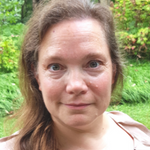
Paula Becker is an Ecologist with the MD Department of Natural Resources, Natural Heritage Program. She manages restoration efforts of the rare community of Soldiers Delight Natural Environment Area; oversees volunteers, outreach and education; conducts rare species surveys, and supports other projects for the State’s nongame and endangered species program. Prior to joining MD DNR, she served as a naturalist for New Jersey State Parks and Forests, provided Integrated Pest Management at a native plants nursery, and trained as a wildlife rehabilitator in Seattle, Washington. She holds a double B.S. in Forest Biology and Resource Management, from the State University of New York - College of Environmental Sciences and Forestry. Go, Mighty Oaks!


NATH8265, 3.0 CEUs
Gain an understanding of wildlife techniques and theory, including the basics of life history, identification, population and community ecology, habitat management, and animal behavior. Learn how institutional missions and federal laws influence wildlife and habitat conservation, and how humans affect and are affected by wildlife in rural, suburban, and urban environments of the Mid-Atlantic region. Pressing concerns about invasive species, the effects of climate change on wildlife, and the loss and degradation of habitats will also be discussed.
Class Schedule: September 13 - November 15, Tuesdays, 7-9 pm
Class Location: Online via Zoom
Field Trips: Saturdays: October 1, Huntley Meadows; October 15, Patuxent Research Refuge; October 29, Elizabeth Hartwell Mason Neck National Wildlife Refuge
Course Fees: Zoom Lectures + 3 Field Trips: ANS members $350, nonmembers $400
Required book: National Audubon Society Field Guide to the Mid-Atlantic by the National Audubon Society
Suggested book: Wildlife of the Mid-Atlantic: A Complete Reference Manual by John Rappole
About Your Instructor:
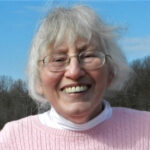 Sally Valdes is a retired Environmental Protection Specialist/Fishery Biologist, Division of Environmental Assessment, Bureau of Ocean Energy Management (BOEM), Department of the Interior. Worked with BOEM's Environmental Studies Program; wrote sections of environmental impact statements. Subject matter included fish and fisheries, birds and bats, invasive species, impacts of climate change on wildlife. M.A. in Biology, University of Michigan. Ph.D. in Aquatic Ecology, Cornell University.


NATH7203, 3.0 CEUs
Class Location: Online via Zoom
Field Trips: Sunday, September 18 - Woodend Sanctuary; Saturday, September 24 - Jug Bay; Saturday, October 8 - Patuxent Wildlife Refuge; Saturday, October 22 - Patuxent Research Refuge North Track
Course Fees: Zoom Lectures + 4 Field Trips: ANS members $380, nonmembers $430
Suggested materials: 30X hand lens (available in the shop), basket and coffee fiilters, iNaturalist installed in a portable device (phone or tablet)
About Your Instructor:

Serenella Linares is the Director of Adult Education and Co-Chair of Naturally Latinos Conference at Audubon Naturalist Society. In addition to her graduate training in Mycology from the University of Maryland, she holds a Bachelor’s degree in biology from Universidad Metropolitana de Puerto Rico, and a Master’s degree in Atmospheric Science from Howard University. When Ms. Linares is not teaching, she explores natural areas, photographs nature around her, and participates in community science projects.


NATH8215E, 3.0 CEUs
Class Schedule: September 8 - November 10, Thursdays, 6–8:30 pm
Class Location: Online via Zoom
Field Trips: Saturday, September 24; Sunday, October 16; & Saturday October 29, locations TBA
Course Fees: Zoom Lectures + 3 Field Trips: ANS members $350, nonmembers $400
Required book: A Field Guide to Eastern Forests: North America, John C. Kricher: Boston, Houghton Mifflin, 1998. ISBN: 978-0-395-92895-0
About Your Instructors:
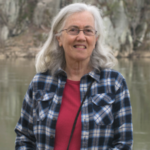
Stephanie Mason is the Senior Naturalist for the Audubon Naturalist Society. She teaches classes and leads field trips for ANS both in the mid-Atlantic and much farther afield. B.A., Goshen College.
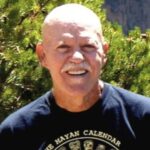
Joe Marx teaches physical and historical geology at Northern Virginia Community College, and leads geological field trips for ANS. M.S., Geochemistry, California Institute of Technology. B.S., Chemistry, Georgetown University.